Beauty & Health Trends in 2026: Non-Toxic Air Fryers, Japanese Head Spa, Ingestible Beauty and Men’s Makeup

Beauty & Health Trends in 2026: Non-Toxic Air Fryers, Japanese Head Spa, Ingestible Beauty and the Rise of Men’s Makeup
Beauty and health in 2026 are no longer about quick fixes or surface-level aesthetics. Across the globe, consumers are moving toward a deeper, more integrated understanding of wellness — one that connects physical health, mental balance, lifestyle habits, and self-expression. This shift is reflected in the rapid rise of several seemingly different trends: non-toxic air fryers, Japanese head spa treatments, ingestible beauty supplements, and men’s makeup.
At first glance, these trends may appear unrelated. In reality, they are connected by a single underlying movement: the demand for transparency, safety, longevity, and personal agency. People want products and experiences that improve how they feel, not just how they look — and they want to understand what they put on, in, and around their bodies.
This article explores the meaning behind these fast-growing beauty and health trends, explains why they are gaining traction in 2026, examines their benefits and limitations, and offers practical guidance for consumers navigating a more complex wellness landscape.
1. The Bigger Picture: Why Beauty and Health Are Converging
For decades, beauty and health were treated as separate industries. Beauty focused on appearance, while health addressed medical or fitness outcomes. In 2026, this division no longer reflects how people live.
Several macro forces are driving convergence:
- Greater awareness of ingredient safety and long-term exposure
- Rising interest in preventive rather than reactive health
- Normalization of self-care across genders and age groups
- Demand for personalization and holistic solutions
- Distrust of vague marketing claims and “miracle” products
Beauty is increasingly framed as an outcome of health — including nutrition, stress management, sleep quality, and lifestyle choices. This explains why trends such as ingestible beauty or scalp-focused treatments are growing alongside safer cooking tools and inclusive cosmetics.
2. Non-Toxic Air Fryers: Healthier Cooking Beyond Calories
Air fryers have been popular for years due to their ability to produce crispy food with less oil. However, in 2026, consumer interest has shifted from convenience alone to material safety and chemical exposure. This is where the concept of the non-toxic air fryer emerges.
What “non-toxic” actually means in this context
A non-toxic air fryer typically emphasizes:
- PFAS-free and PTFE-free coatings
- Ceramic or stainless steel cooking surfaces
- Minimal use of plastic in high-heat areas
- Reduced off-gassing during cooking
Consumers are increasingly concerned about long-term exposure to certain non-stick coatings, especially when heated repeatedly. While air frying is already considered a healthier cooking method in terms of fat reduction, the materials used inside the appliance have become part of the health conversation.
Why this trend is accelerating
- Rising awareness of “forever chemicals” and cumulative exposure
- Growth of non-toxic cookware and kitchenware movements
- Health-focused consumers reassessing everyday tools
- Desire to reduce invisible risks, not just calories
Non-toxic air fryers appeal particularly to families, health-conscious cooks, and people managing long-term wellness conditions. The trend reflects a broader shift: health decisions are increasingly made at the infrastructure level of daily life, not just through supplements or exercise.
3. Japanese Head Spa: Scalp Health as the New Luxury Wellness
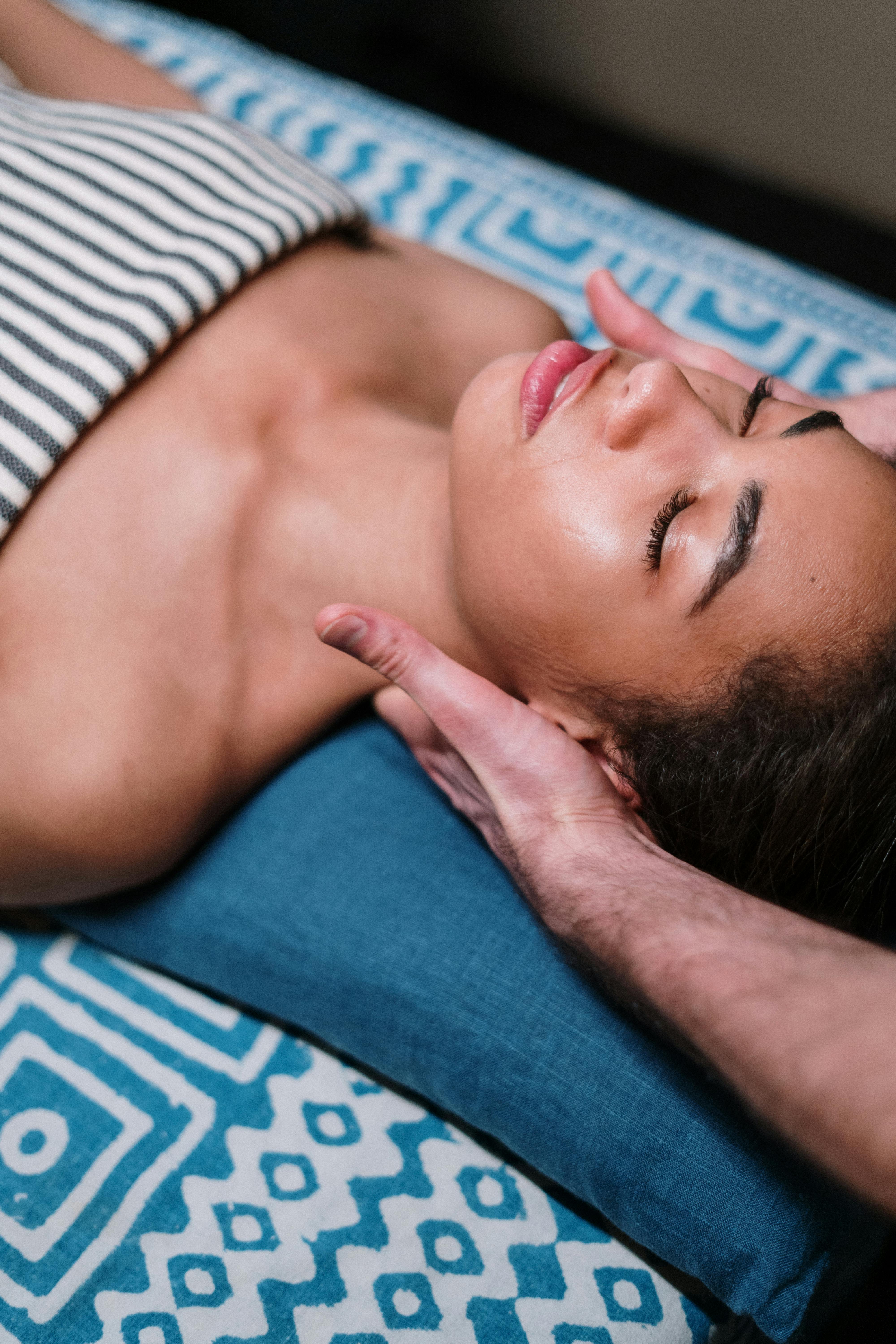
Japanese head spa treatments have moved from niche salon offerings to a global wellness trend. Unlike traditional hair treatments that focus primarily on aesthetics, head spas center on scalp health, relaxation, and nervous system regulation.
What is a Japanese head spa?
A typical Japanese head spa session may include:
- Deep scalp cleansing and exfoliation
- Gentle massage techniques targeting pressure points
- Aromatherapy and warm water rituals
- Scalp steaming or circulation-enhancing methods
- Quiet, meditative environments
The experience is intentionally slow and sensory. Rather than aggressive manipulation or cosmetic styling, the focus is on calming the nervous system and improving blood flow to the scalp.
Why scalp health matters more than before
Modern lifestyles contribute to scalp issues:
- Chronic stress and tension
- Prolonged screen time and poor posture
- Product buildup and environmental exposure
- Disrupted circulation and inflammation
Japanese head spa treatments respond to these issues by treating the scalp as an extension of overall health, rather than a cosmetic afterthought. For many consumers, the appeal lies as much in mental relief as in hair quality.
4. Ingestible Beauty: When Skincare Starts From Within
Ingestible beauty represents one of the most debated and fastest-growing wellness categories in 2026. These products include supplements, powders, drinks, and capsules designed to support skin, hair, and nail health from the inside.
Common ingredients in ingestible beauty
- Collagen peptides
- Biotin and B-vitamins
- Hyaluronic acid
- Antioxidants
- Adaptogens and plant extracts
The appeal is intuitive: if skin reflects internal health, then improving nutrition should influence appearance. This logic resonates strongly with consumers seeking long-term results rather than topical quick fixes.
The benefits — and the skepticism
Supporters of ingestible beauty point to:
- Convenience and consistency
- Holistic approach to skin health
- Synergy with topical skincare
Critics highlight:
- Variable bioavailability
- Overlapping ingredients with regular diets
- Marketing claims that exceed evidence
In 2026, the trend is maturing. Consumers are becoming more selective, favoring transparent formulations, clinically studied ingredients, and realistic expectations. Ingestible beauty is increasingly viewed as a supplement to — not a replacement for — nutrition, skincare, and lifestyle habits.
5. Men’s Makeup: Redefining Grooming and Self-Expression
Men’s makeup is one of the most culturally significant beauty trends of the decade. What was once considered niche or provocative is becoming normalized as part of everyday grooming and self-presentation.
What men’s makeup looks like in 2026
The category is less about dramatic transformation and more about enhancement:
- Skin-evening products (tinted moisturizers, concealers)
- Brow grooming and subtle definition
- Natural-finish foundations
- Minimal eye and lip products
Packaging, language, and education around men’s makeup emphasize practicality, confidence, and individuality rather than glamour.
Why the shift is happening
- Changing gender norms and broader definitions of masculinity
- Influence of social media and creator culture
- Increased focus on appearance in digital environments
- Normalization of self-care across demographics
For many men, makeup is not about performance — it is about control over how they present themselves in professional, social, and online contexts.
6. What These Trends Have in Common
Despite covering food appliances, salon treatments, supplements, and cosmetics, these trends share core values:
- Safety and transparency over vague claims
- Long-term health over short-term results
- Personal agency and informed choice
- Holistic thinking across body, mind, and lifestyle
Consumers in 2026 are not chasing perfection. They are seeking tools and experiences that support sustainable, realistic wellbeing — physically and psychologically.
7. Where Beauty and Health Are Heading Next
Looking ahead, several directions seem clear:
- Greater regulation and demand for evidence-based claims
- Personalized beauty and wellness routines
- Blurring of boundaries between beauty, health, and mental wellness
- Growth of gender-inclusive product design
As consumers become more informed, brands and services will be rewarded for clarity, honesty, and long-term value.
Conclusion: Beauty and Health in 2026 Are About Informed Living
The rise of non-toxic air fryers, Japanese head spa treatments, ingestible beauty, and men’s makeup reflects a deeper cultural shift. Beauty and health are no longer separate goals — they are integrated parts of how people live, eat, relax, and express themselves.
In 2026, the most powerful trend is not any single product or treatment, but the move toward informed, intentional choices. Consumers want to understand what they use, why it works, and how it fits into a sustainable, balanced life. That mindset — rather than hype — is what will shape the future of beauty and health.